Film Surface Defect Inspection Use Case – Bubbles, Scratches and Foreign Matter
Monitors surface defects such as bubbles, scratches and foreign matter in real time during film manufacturing, sorts out defective rolls and builds up qua…
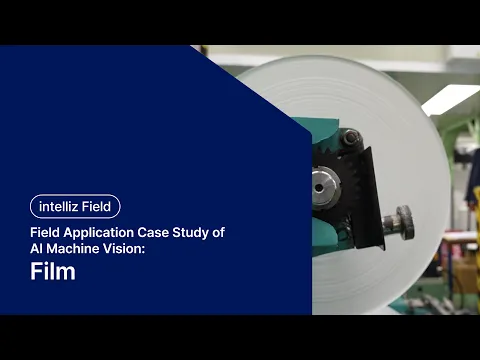
Monitors surface defects such as bubbles, scratches and foreign matter in real time during film manufacturing, sorts out defective rolls and builds up quality data.
This page summarizes a use case published by INTELLIZ. The summary does not state a customer, project status or quantitative results; whether it applies to your product is confirmed with samples and imaging conditions.
Which defects does it check? The summary of this use case describes checking surface defects such as bubbles, scratches and foreign matter in real time in film manufacturing and sorting out defective rolls. Other defect types are reviewed with samples.
How accurate and how fast is it? This use case has no published quantitative results. Missed defects, false rejects and throughput can only be confirmed by testing your samples under your line conditions, against the same criteria.
What if the line is fast or the film is wide? The number of cameras and the resolution needed depend on line speed, width and the smallest defect you need to find. Tell us these three values and the configuration is reviewed in the consultation.
What should I prepare before contacting you? See the information listed above. Including your product, the defects you look for and your production conditions in the inquiry helps us start the review.
- Consumer Goods, Plastic & Containers
- Surface Defect
- Inline Inspection
- Continuous Material (Film/Paper/Coil)
- Defects this use case covers: Bubbles, Scratches, Foreign matter
- Covers defects visible on the film surface (bubbles, scratches, foreign matter and the like).
- Items that surface imaging cannot see, such as thickness or defects between layers, may need another measuring method.
- On transparent film, what a camera sees changes with the lighting direction (transmitted or reflected), so the imaging setup needs review.
- Information for the review: Film width and line speed (m/min)
- Information for the review: The smallest defect you need to find
- Information for the review: Film material, transparency and surface (gloss, printed or not)
- Information for the review: Photos or specimens of good sections and defective sections
- Information for the review: Where and how defects are found today (by eye, an existing inspection machine)