Injection-Molded Container Inspection Use Case – Deformation, Cracks, Burrs and Short Shots
Images molded containers to detect deformation, cracks, burrs, short shots, flash and dimensional errors automatically, and spots mold and process-conditi…
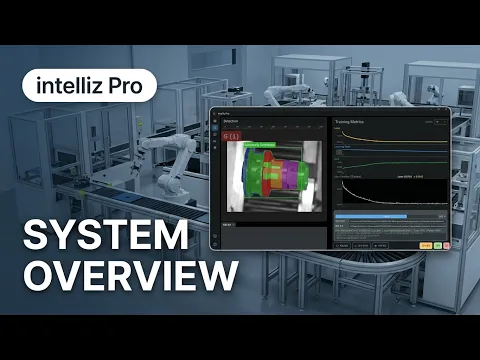
Images molded containers to detect deformation, cracks, burrs, short shots, flash and dimensional errors automatically, and spots mold and process-condition problems early through OK/NG sorting and statistics by defect type.
This page summarizes a use case published by INTELLIZ. The summary does not state a customer, project status or quantitative results; whether it applies to your product is confirmed with samples and imaging conditions.
Which defects does it check? The summary of this use case describes imaging molded containers to detect deformation, cracks, burrs, short shots, flash and dimensional errors automatically, and spotting mold and molding-condition problems early through OK/NG sorting and statistics by defect type.
How should samples be prepared? Sort them into good parts, defective parts by type and borderline cases, and do not mark directly on the defects. The sample preparation guide explains how.
Can transparent or very glossy containers be inspected? Lighting and camera angles need more review. We check with samples first and then tell you what is possible.
How accurate and how fast is it? This use case has no published quantitative results. Missed defects, false rejects and throughput can only be confirmed by testing your samples under your line conditions, against the same criteria.
- Consumer Goods, Plastic & Containers
- Dimension/Shape
- Processing/Molding
- Container/Packaging
- Defects this use case covers: Deformation, Cracks, Burrs, Short shots, Flash, Dimensional errors
- Covers defects visible on the surface and shape of molded parts (deformation, cracks, burrs, short shots, flash and the like).
- The use case summary also lists dimensional errors. Precise dimensions with very tight tolerances may need a separate measurement review.
- Transparent or very glossy parts and the inside of deep recesses need more review of lighting and camera angles.
- Defects that cannot be seen from outside, such as internal voids, are outside the scope of visual inspection.
- Information for the review: Good parts and defective parts of each type (including different cavities and lots)
- Information for the review: Defect criteria and limit samples
- Information for the review: Part size, material and color, and the faces to inspect
- Information for the review: Cycle time and number of cavities
- Information for the review: How parts are taken out (robot, conveyor) and whether rejects must be removed